Settlor
Title agency owners come into the business from a variety of different directions. Some approached ownership after decades in sales, while others progressed from abstracting to title examination to management to owner. Still others were real estate attorneys who chose to narrow their focus on the title insurance and closing process.
Very few come to it from the technological side of the business.
But here we are in 2026, and technology now plays a significant role in running a title agency. To be effective in building a strong tech base for your company, you need some knowledge of the vocabulary of computing.
One of the most important terms to understand is interoperability.
What is interoperability?
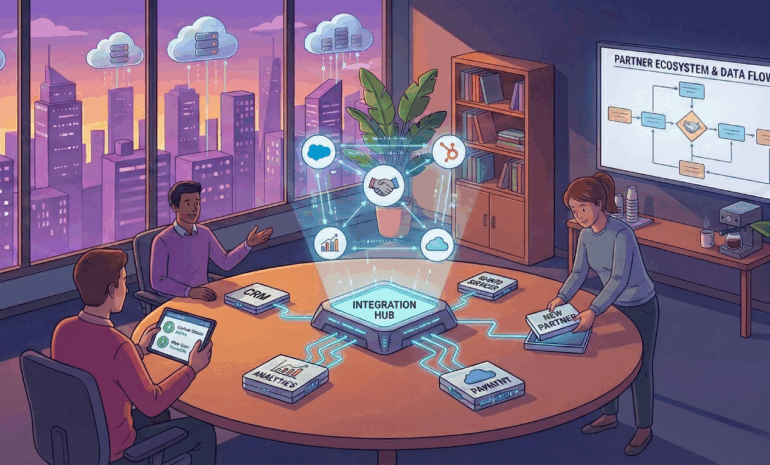
Interoperability is the process of creating technology according to a set of standards that allows different elements of the tech stack to exchange information and share functionality seamlessly, without users being forced to come in and out of different systems during their workday.
Why interoperability is important for the title insurance business
Most importantly, interoperability offers many advantages including improving efficiency by eliminating duplicative data entry to accelerate processes. It also enhances collaboration between departments in your title agency by eliminating data silos and opening the door to a faster and more seamless flow of information.
Interoperability also allows title companies to interconnect various vendors, services and technologies to amplify their own custom processes or experiences, which can deliver a powerful competitive advantage.
As a title agency owner, you know how critical interoperability is for a staff that manages a multitude of processes in the preparation of a title policy and closing package.
Essential elements of interoperability
When purchasing a new solution or platform it’s critical that you establish the veracity of the interoperability by inquiring about a few basic elements that must be inherent in the system to make it truly interoperable.
The first is the idea of standardization. Each industry establishes specific data formats and protocols for tech development to ensure systems will be able to communicate with each other. Does your new provider comply with any standardization requirements and make it easy to do so? The upcoming FinCEN requirements come to mind.
The second is the use of open standards and APIs that will allow you to connect more seamlessly with other vendors. Be especially sure that your new technology integrates seamlessly and quickly with your preferred underwriters and their technology.
There’s much more to interoperability. In our next post, we’ll discuss the importance of data governance and security protocols. Not every technology provider considers the data you input into their systems to belong to you!
At Settlor, we are dedicated to building a robust interoperable system that seamlessly connects title firms, their partners and clients. Settlor’s software is built on more than 30 years of innovation and improvements based on hundreds of thousands of transactions, user-centric input and industry professional feedback. Contact us to learn how we can help you deploy a cloud-based, streamlined platform to improve both operations and customer service.
Contact us today to learn more.